

Safe Manual Handling Risk Assessment Training
Safe Manual handling risk assessment training is necessary for corporate employees who deal with manual lifting & moving equipment in the Workplace. The green world trains the Workers to equip the adequate knowledge on Manual handling safety
Course Details
 Duration 4 – 8 Hours
 Training Mode Online / in-company
 Language English
 Prerequisites None
 Assessment Onboard Exam
Corporate Training

Introduction
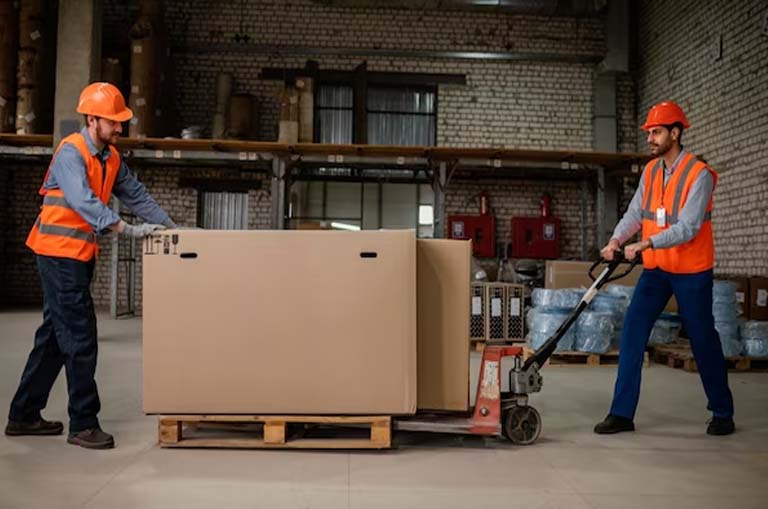
Manual handling refers to the activities that require effort for transporting, moving, pushing, pulling, carrying, and moving objects by hand. Incorrect manual handling contributes to one of the major causes of injury at most workplaces. Poor manual handling can cause work-related musculoskeletal disorders (MSDs). This necessitates training that delegates the knowledge and skills on approaching the manual tasks in a safe way.
Our safe manual handling is intended for those who are involved in the job role of lifting and moving loads manually. This course provides the required knowledge on the risk factors, how to carry on safe manual handling, along with good handling techniques. This course covers a broad range of topics that includes fundamentals of safe handling and legal obligations for protecting the workers.
Learning outcomes
 Develop the knowledge and skills for safe Manual Handling
- Safe handling principles
- Knowledge of manual handling hazards
- Understanding the legal duties and responsibilities of both employees and employers
- Demonstrate the common causes of incidents/injuries due to poor manual handling
- Using approved, safe, and appropriate lifting and handling techniques
Course Details
Duration 4 – 8 Hours Training Mode Online / in-company Language EnglishPrerequisites NoneAssessment Onboard Exam
Who can take this Course
- Supervisors
- Employees
- Contractors
Course Certification
Successful participation who passed the written and practical test will receive certificates on Safe Manual Handling Risk Assessment Training.
Minimum Qualification
Ability to understand English unless the course is being agreed to be delivered in Clients required language.
Contact Us
Mr. Kalyan Pathakota
Ms. Indumanasa
FAQ
A series of reasonable steps taken to eliminate or control the injuries, effects of the unintentional fall while assessing the work at height.
But there are different types of falls that we must consider obviously, i.e.
- Fall at the same level, within the surface
- fall to a lower level from the height
Falls from roofs and height, in general, are the most common cause of workplace death, according to the Health & Safety Executive. The worrying aspect of this is that these deaths are primarily caused by a failure to assess or recognize fragile work surfaces properly.